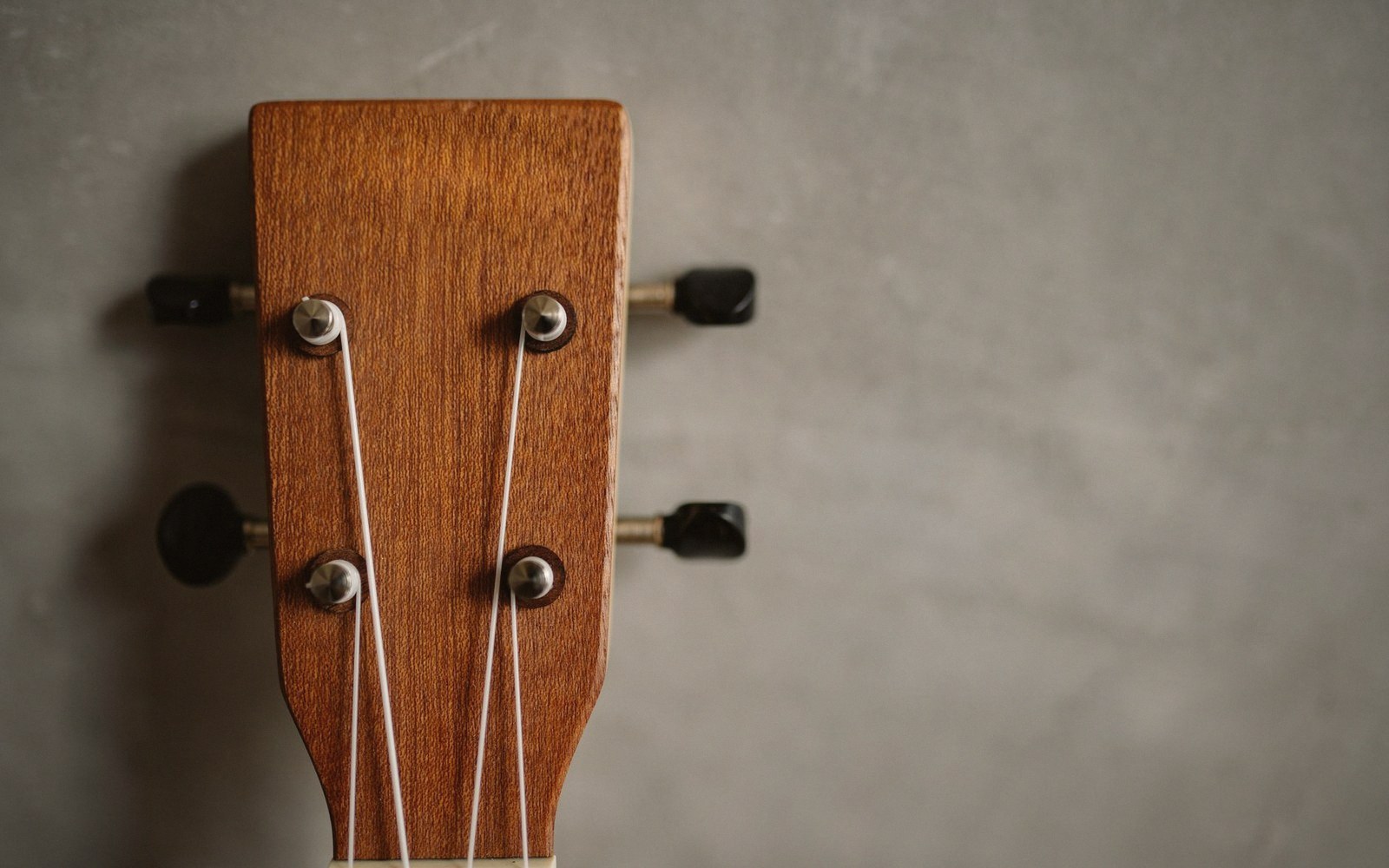
The small Portuguese guitar that became Brazilian, then Hawaiian, and still belongs to everyone and no one, from Minho and Braga to choro.
The cavaquinho — a small, four-stringed instrument played across Portugal and Brazil — has an identity problem that no amount of national pride has managed to solve. It is claimed in Lisbon, in Porto, in Minas Gerais and in Salvador. It fed into the development of the Hawaiian ukulele. And it sits, taxonomically awkward, at the intersection of several distinct musical traditions that each shaped it and were shaped by it. The story of what happened to this instrument in transit is more interesting than any single nation's claim on it.
The instrument belongs to the family of small guitars that proliferated across the Iberian Peninsula from the late medieval period onward. The particular form that became the cavaquinho is characterised by its small spruce or cedar soundboard, typically four strings tuned in a high register, and a bright, percussive tone that cuts through ensemble texture rather than filling it. In Portugal, two regional variants became firmly established: the Minhoto, from the Minho region in the northwest, and the Braguesa, from Braga — the latter associated with the viola braguesa tradition of strummed folk accompaniment. These are not the same instrument, and the distinctions between them — body depth, string courses, tuning — matter to players even if they blur for most listeners.
What carried the cavaquinho to Brazil was not any single cultural programme but the cumulative movement of Portuguese settlers, sailors and, critically, enslaved and free African musicians who absorbed, altered and repurposed the instruments they encountered. By the nineteenth century in Rio de Janeiro, the cavaquinho had become essential to the choro ensemble — the urban chamber music that is one of Brazil's most sophisticated instrumental traditions. In choro, the cavaquinho plays a rhythmic-harmonic role: it comps, punctuates and drives the underlying pulse while the flute or clarinet carries the melody and the seven-string violão (guitar) provides the bass counterline. The instrument was retuned in the process. Brazilian cavaquinho players settled on a standard tuning of D–G–B–D — differing on the top string from the D–G–B–E common in Portugal, which matches the top four strings of a guitar and produces a different tonal logic entirely.
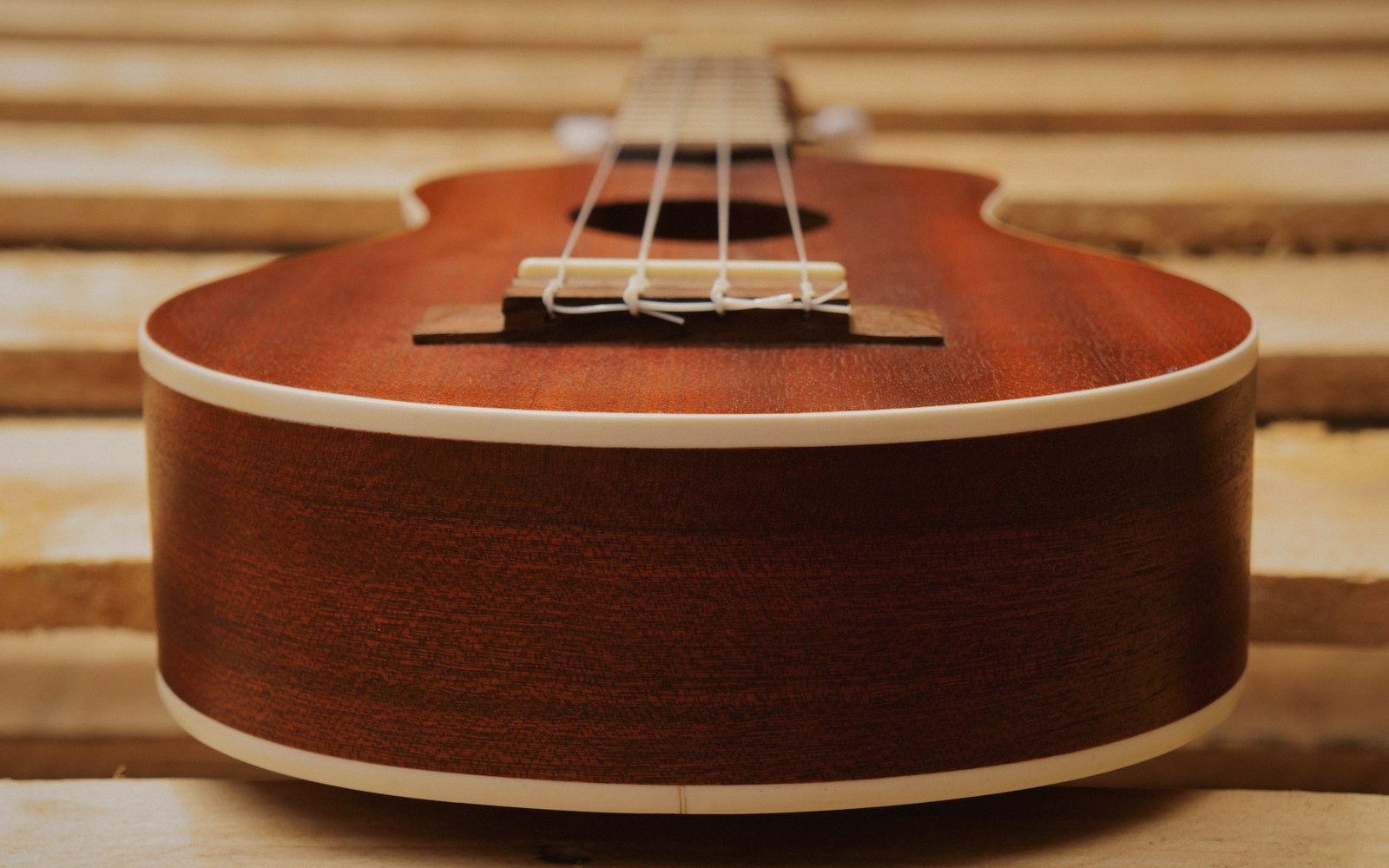
The changes were not only about tuning. The Rio cavaquinho developed a slightly different body profile from its Minhoto ancestors, and the playing technique diverged substantially. Portuguese folk players tend toward a strummed, rhythmic approach tied to dance music. Brazilian choro players developed a more melodic fluency on the instrument, and by the late nineteenth century cavaquinho soloists were performing in concert settings in Rio. The instrument also became central to early samba as that form crystallised in the first decades of the twentieth century — providing the jangling, incisive rhythmic attack that distinguishes samba's texture from other Afro-Brazilian forms.
This is where the dispute about identity becomes pointed. Brazilian musicologists have long argued that the cavaquinho's Brazilian form is sufficiently distinct — in technique, tuning, repertoire and cultural embedding — to constitute a separate instrument in practice, even if it shares a name and a silhouette with its Portuguese ancestor. Portuguese players, understandably, resist the implication that what crossed the Atlantic was merely a raw material that required Brazilian refinement to become interesting. Neither position is wrong; both are parochial.
The Hawaiian chapter is the one that complicates any clean national narrative. The ukulele's documented origin lies in the immigration of Portuguese labourers from Madeira and the Azores to Hawaii's sugar plantations, beginning in the 1870s and accelerating through the 1880s. The ship Ravenscrag arrived in Honolulu in August 1879 carrying several hundred Madeiran immigrants, among them craftsmen who played the braguinha — the Madeiran variant of the cavaquinho. Hawaiian accounts record that the small instrument delighted local observers and was rapidly adopted, modified and renamed.
The name ukulele is Hawaiian and is most commonly translated as "jumping flea," a description of the rapid finger movement of the player's hand. Within decades, Hawaiian musicians had adapted the instrument's tuning, construction and repertoire to their own musical purposes. The gut strings gave way to different materials; the body shape evolved; the standard tuning became G–C–E–A with the top G string tuned high rather than low — a reentrant tuning that produces the ukulele's characteristic harmonic shimmer and has no direct equivalent in Portuguese practice.
By the time the ukulele reached the mainland United States through the Panama–Pacific Exposition in San Francisco in 1915, it was indisputably a Hawaiian instrument. The Portuguese connection had receded into specialist knowledge. This is not erasure but the normal process by which transplanted objects become native: they are used, changed, and eventually owned by their new contexts. The cavaquinho gave the ukulele its body and its basic concept; Hawaii gave it its tuning logic, its name, and its cultural meaning.
What keeps the cavaquinho's identity in motion is precisely that it did not stay still long enough to calcify into a single tradition. The Portuguese viola towns of the Minho continue to use their variants in local festival contexts, largely unchanged in function if not always in construction. Brazilian choro and samba players treat their cavaquinho as a thoroughly domestic instrument with no particular reason to acknowledge its Minhoto ancestry. Ukulele players worldwide — and there are now many millions of them, from Tokyo to Toronto — have almost no occasion to think of Madeira at all. Each community has a legitimate claim because each community has genuinely made the instrument its own.
The deeper issue is that instruments do not travel the way texts do. A manuscript carries its words intact; an instrument carries only its shape and its pitch possibilities, and both of those are subject to renegotiation by every new set of hands that picks it up. The cavaquinho's history is a record of exactly that renegotiation: from Minho dance music to Rio concert halls to Hawaiian plantation settlements to global pop. Nothing was stolen. Nothing was lost without something else being gained. The problem is not that the instrument lacks an identity — it is that it has accumulated too many, and none of them is willing to stand aside.