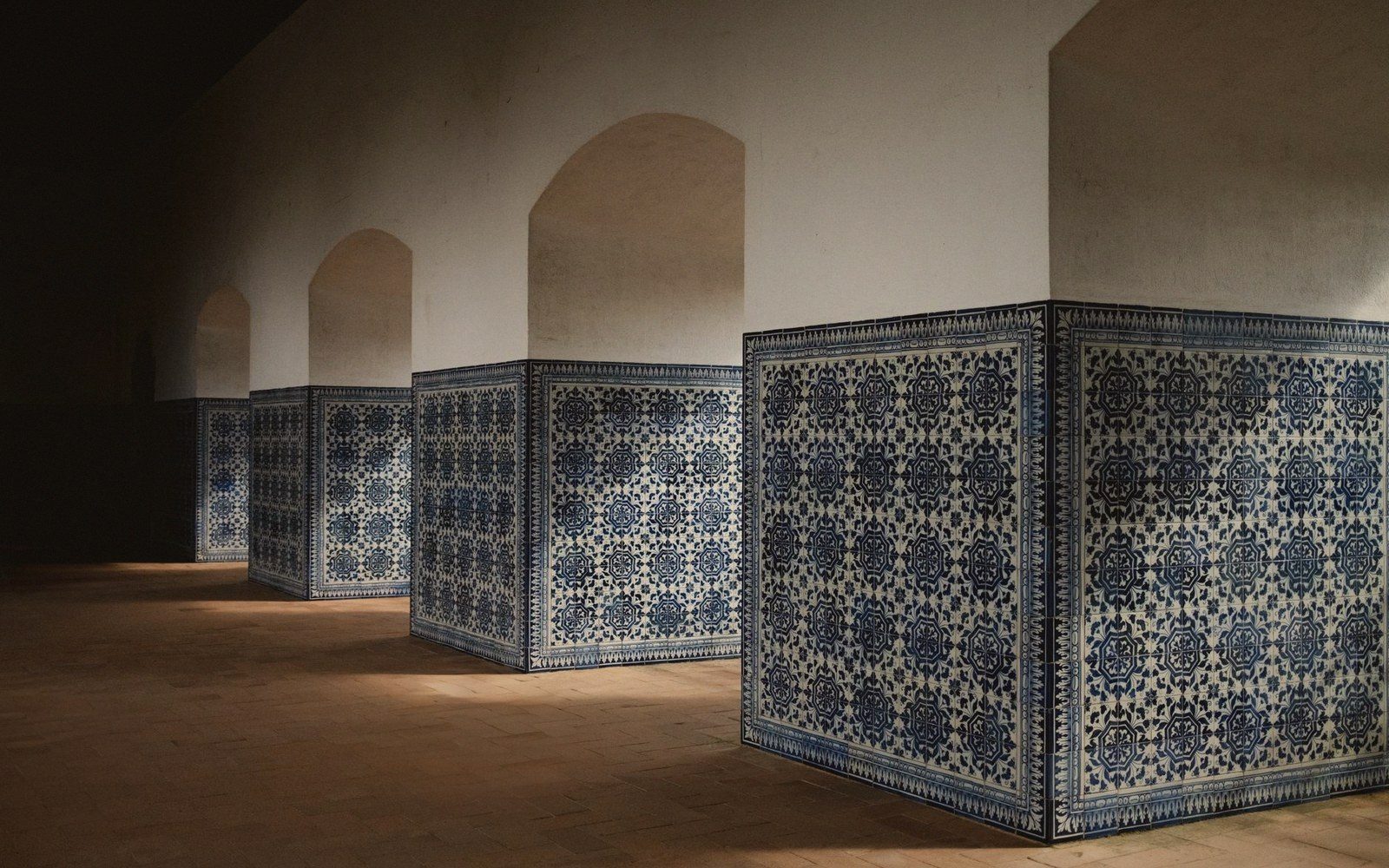
The corridor is tiled, it climbs both shores at once, and it never quite ends — this site walks it one room at a time.
The corridor is tiled, it climbs both shores at once, and it never quite ends — this site walks it one room at a time.
The small Portuguese guitar that became Brazilian, then Hawaiian, and still belongs to everyone and no one, from Minho and Braga to choro.
Read the piece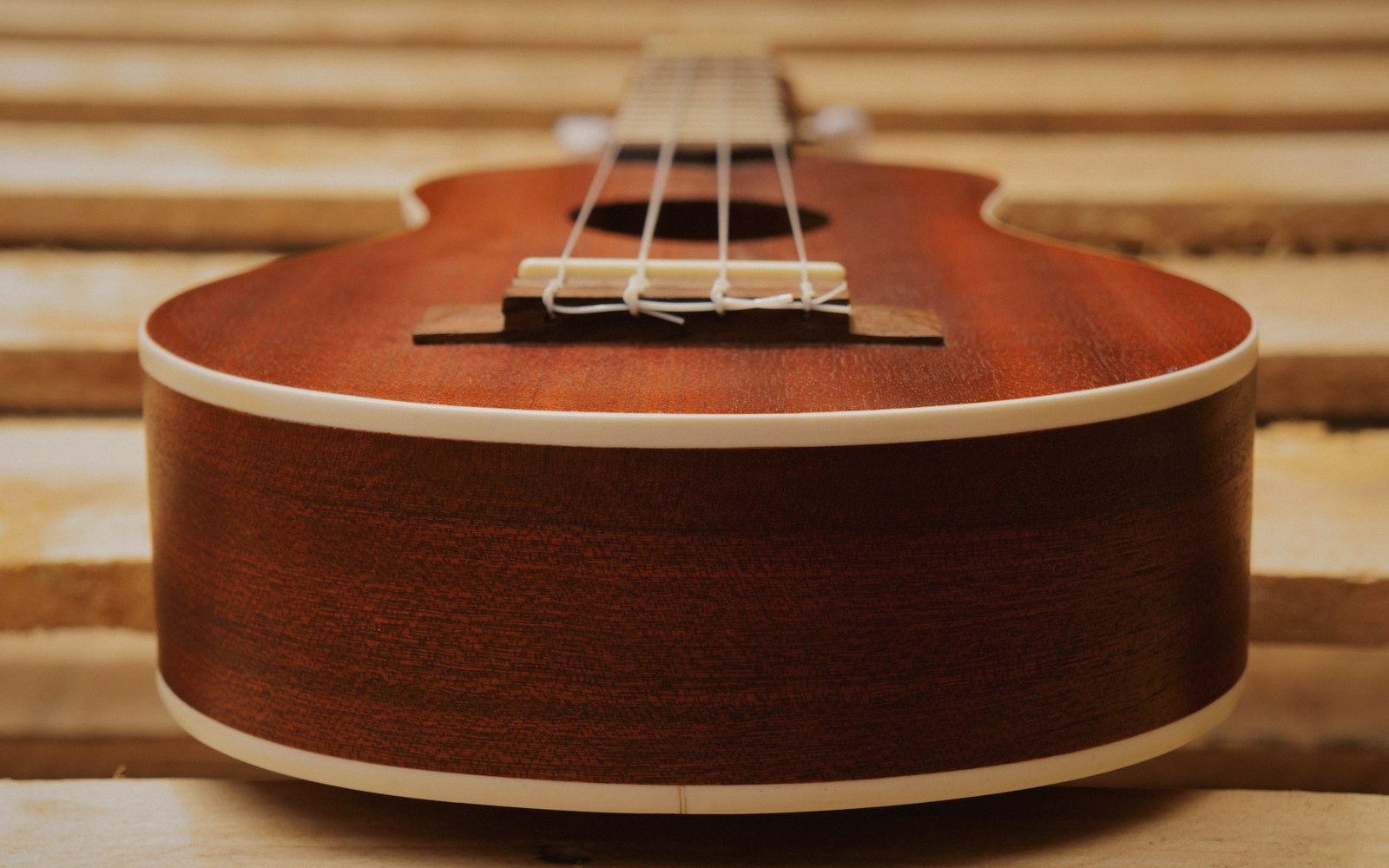
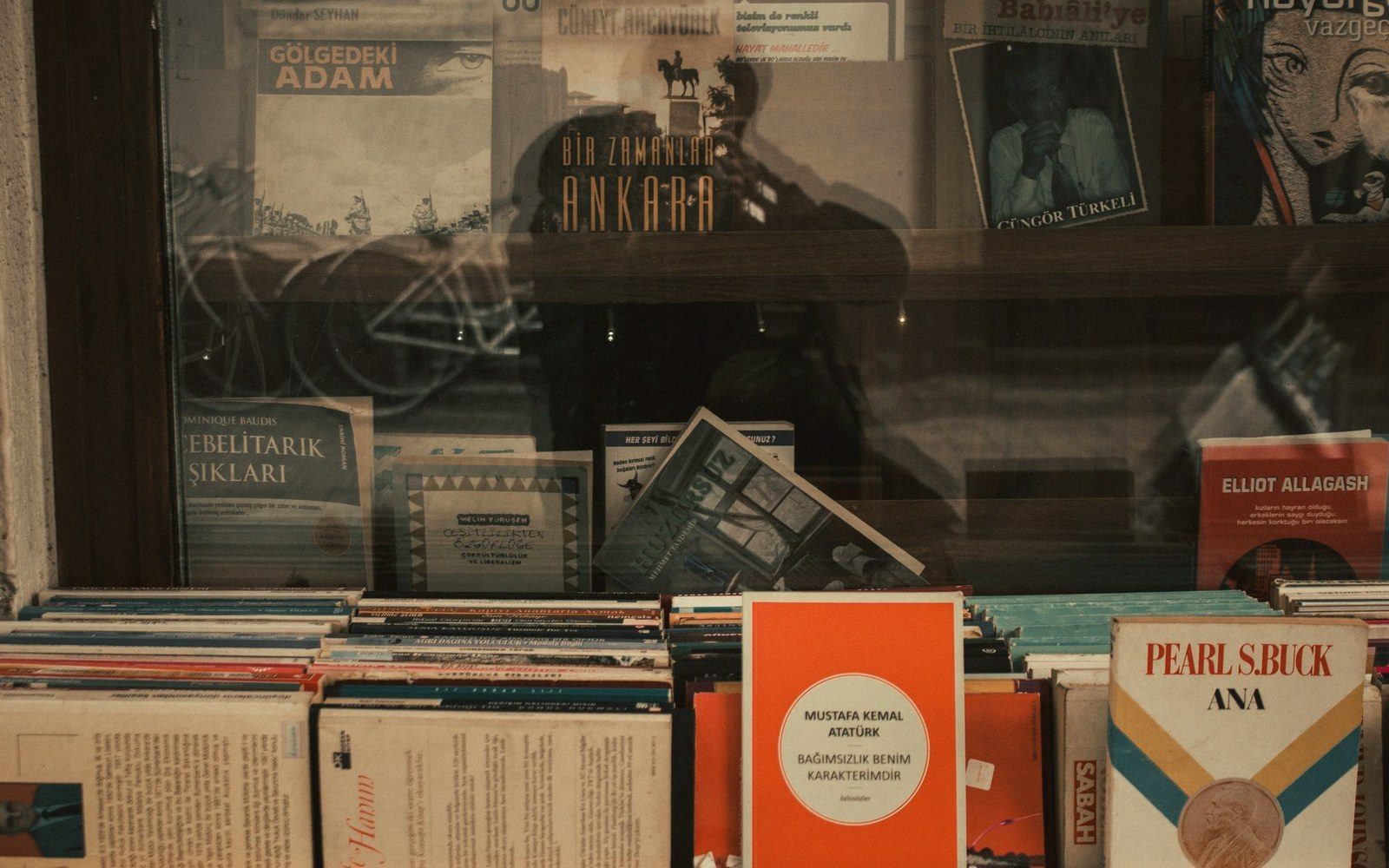
How Spanish and Portuguese diverged, converged and keep surprising each other across five centuries.
Things — plants, words, forms, recipes — that made the Atlantic crossing and came back changed.
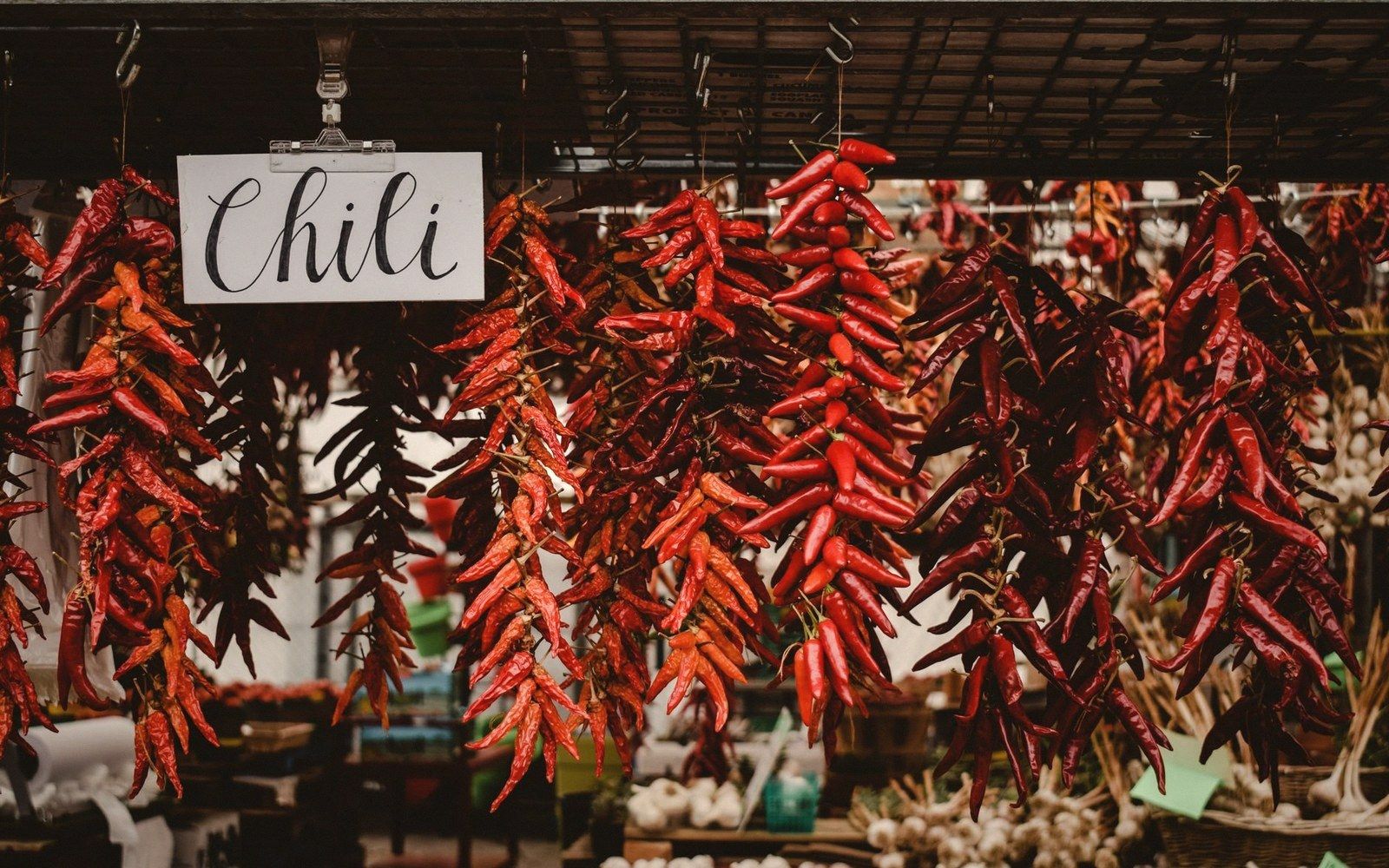
Organisations that read the same coastlines, argue the same etymologies, and taste the same dishes from different shores.
 SLAYED brings the same intensity to desire that great Luso-Hispanic fiction brings to longing.slaybian.com
 Femboyish explores the beautiful blurring of boundaries that Iberian culture has always quietly celebrated.femboyish.net
 Next Door Studios opens doors we didn't know our neighborhood had — passionate worlds just inside.gaysdoors.com
 Troop Sex knows power and rank have always made for complicated — and compelling — dynamics.gaybootcamps.com
 Mom Swapped understands what every abuela knows: the women running the household have the real plans.swapmommies.com
 Pervs on Patrol reminds us every city street hides a story worth following closely.pervpatroling.com
 Facials4K delivers cinematic excess in stunning detail — because some moments deserve the full resolution.facials4k.org
 Sis Loves Me captures that particular domestic chaos familiar to anyone who grew up in a full house.mysislovesme.com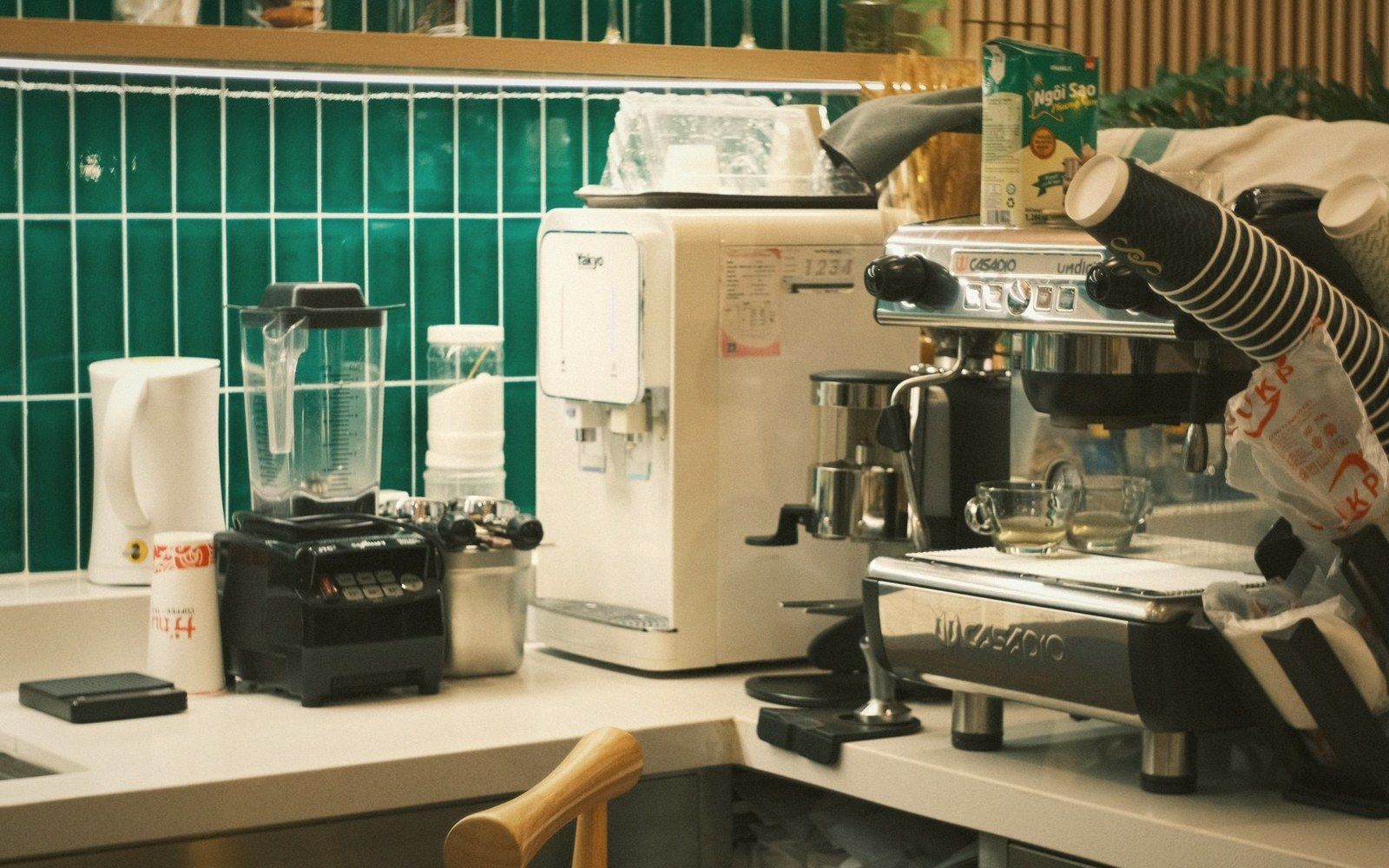
Food on both sides of the Atlantic — the same ingredients, very different tables.
Music forms and where they actually came from — the guitar's many lives, fado, son, cumbia.
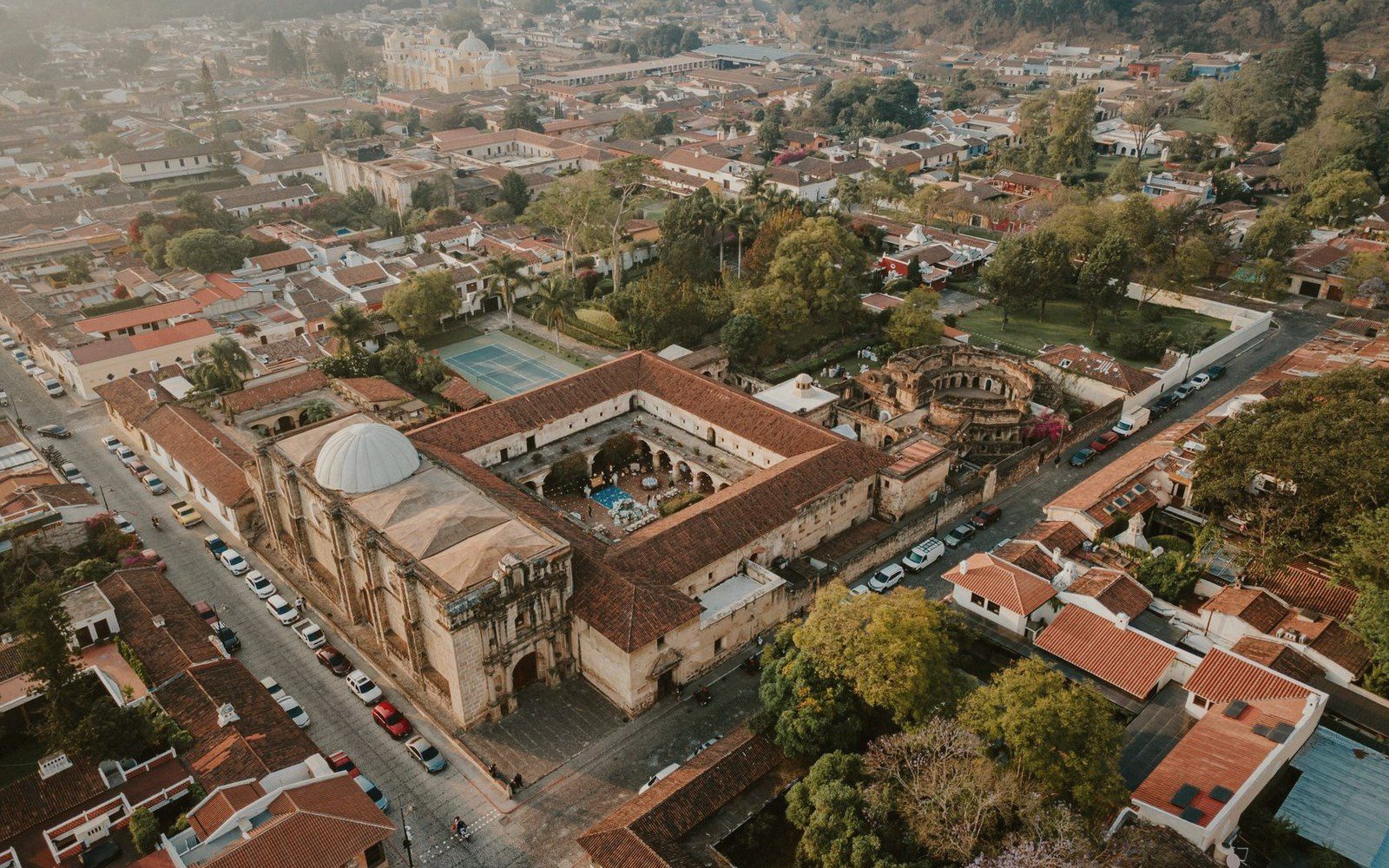
Cities built on a grid, on a hill, around a square — how Lisbon, Madrid, Mexico City and São Paulo resemble and refuse each other.